
Aydın bataryalı ve bataryasız GES karşılaştırması explained for readers
A clear, practical guide comparing battery-equipped and batteryless solar power plants, with steps, risks, and tips for news readers seeking solid understanding

When readers ask how battery-backed and batteryless solar plants differ, this guide provides practical, newsroom-tested clarity. It explains what each setup promises, the tradeoffs in reliability and cost, and how to evaluate what matters for a project or policy discussion. Expect concrete steps, common pitfalls, and actionable guidance you can use in reporting or decision-making.
The comparison centers on reliability, maintenance, and total lifecycle considerations. You’ll learn how storage affects curtailment, grid interaction, and resilience during outages. The goal is to equip you with evidence-based questions to ask engineers, regulators, and project developers.
Across sections, expect plain explanations, concrete examples, and checklists you can reference in briefings or when briefing readers. This is not advocacy; it’s a practical outline to understand the technology and its real-world implications for energy news coverage.
- Battery-backed solar plants can offer steadier output and resilience, but add up-front costs and ongoing maintenance. Batteryless setups depend more on grid arrangements and storage elsewhere, trading reliability for simplicity. When choosing, weigh reliability targets, costs, and regulatory context. The reader should look for clear lifecycle analyses and field-tested performance data.
- For readers, the key questions are about how often generation must be available, how much storage is needed, and what contracts or market mechanisms exist. Consider local grid rules, interconnection standards, and maintenance capacity. Avoid assuming one solution fits all climates or markets.
- In reporting, ask project managers to explain how they model variability, what happens during outages, and how incentives align with outcomes. Look for independent assessments and avoid overreliance on optimistic projections. The goal is clear, accurate context for readers.
- Baseline differences between setups
- How to assess needs and goals
- Potential options and configurations
- Common pitfalls and warnings
- Future policy impacts
- Grid integration challenges
- Community and environmental considerations
- Global trends in solar storage
- Frequently asked questions
- Practical next steps for readers
Baseline differences between setups
Storage presence in design
Battery-equipped plants include energy storage that can smooth output and extend availability during cloudy periods. Batteryless setups rely on other balancing mechanisms such as grid purchases or oversized modules. The choice affects how consistently generation aligns with demand. Aydın bataryalı ve bataryasız GES karşılaştırması
- Assuming storage fixes all intermittency; consider grid and market factors
- Underestimating maintenance and replacement needs of batteries
- Ignoring safety and end-of-life handling for storage systems
The paragraph also notes that storage adds complexity in maintenance, safety protocols, and replacement cycles. Operational plans must account for capacity, depth of discharge, and lead times for battery components.
This section highlights how a simple diagram of one plant with storage versus one without can illuminate the practical differences for field teams.
- Storage enables evening or night-time output
- Batteryless design depends on grid or other sources
- Maintenance demands vary with storage
- Costs shift from hardware to lifecycle management
- Policy implications differ for each approach
Performance in variable weather
Storage can dampen the impact of cloudy days, keeping generation steadier for operators. Without storage, plants may swing with sunshine, requiring fast-responding grid partners. The result is a different risk profile for reliability.
Engineers often model worst-case weather scenarios to gauge capacity factors and curtailment risk. Readers should compare those projections to real-world outages and market signals.
The example illustrates how weather resilience translates into project cash flows and regulatory compliance in some regions.
How to assess needs and goals

Define reliability targets
Begin with what reliability means for your project: how often generation must be available, and during which hours. Storage boosts reliability without depending solely on the grid, but adds cost and maintenance. Clarity here guides design choices.
Ask whether the grid operator offers services such as fast frequency response or energy arbitrage that storage enables.
Clarify whether the goal is renewable penetration, resilience, or peak-shaving; the purpose shapes the right technology choice.
- Identify critical hours of operation
- Assess available grid services
- Match technology to reliability goals
Evaluate lifecycle costs
Deployment costs differ: batteries add upfront price and replacement cycles, while batteryless plants lean on grid and sheer scale to meet demand. Consider operational costs, maintenance labor, and insurance implications.
Use a simple lifecycle lens to compare total cost of ownership over the project horizon.
- Upfront vs ongoing costs
- Maintenance and safety costs
- End-of-life handling
- Insurance and risk factors
Potential options and configurations
Hybrid systems vs pure batteryless
Hybrid designs mix storage with grid-supplied power to balance cost and reliability. Pure batteryless setups lean on over-sizing, contract terms, or market prices to manage variability. Each approach changes how supply meets demand.
Plan for interconnection rules, safety standards, and maintenance schedules because these govern the feasible configurations.
The final choice depends on local regulation and grid flexibility, not just technology potential.
- Hybrid storage plus grid
- Pure batteryless strategies
- Contract-based balancing
| Option | Reliability impact | Costs overall |
|---|---|---|
| Hybrid with storage | Improved consistency | Higher upfront and maintenance |
| Pure batteryless | relies on grid and contracts | Lower upfront, higher exposure to grid risk |
| Oversized storage | Greater resilience | Substantial capital outlay |
Counterparty and market roles
Storage affects how a plant interacts with market operators, frequency markets, and demand response programs. Batteryless plants may rely more on curtailment or grid power contracts during peak hours. The dynamics influence risk and revenue streams.
Understand who bears the responsibility for curtailment and outages, and what penalties or compensation exist.
This section helps readers grasp governance beyond hardware.
Risk arises when developers rely on a single policy mechanism without contingency plans.
Common pitfalls and warnings
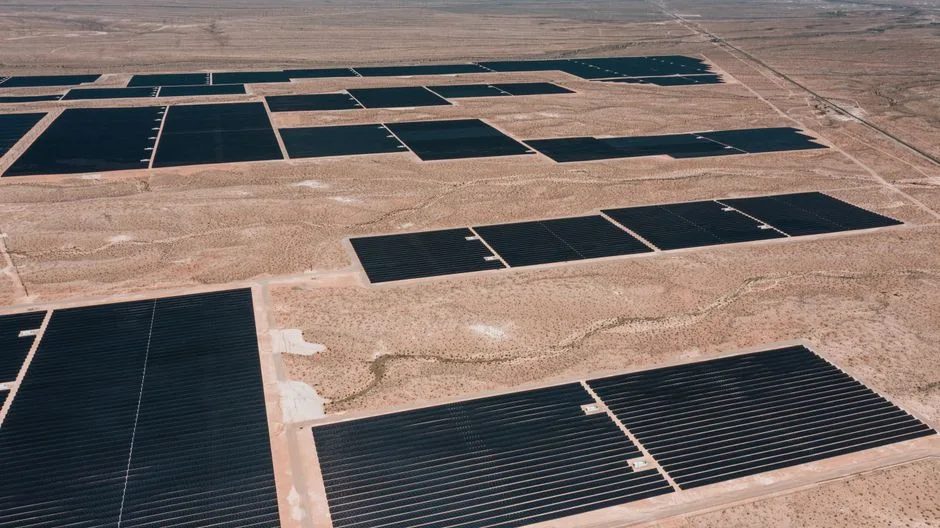
Regulatory uncertainty
Policies can shift, affecting incentives, permitting, and risk allocation. Storage incentives may move as subsidies change, altering project economics. Stay informed about regional rules and planned updates.
Risk arises when developers rely on a single policy mechanism without contingency plans.
Engagement with regulators and clear disclosure helps manage this risk.
- Track subsidy changes
- Plan for permitting delays
- Prepare alternative financing
Maintenance realities
Storage systems require routine checks, thermal management, and battery health assessments. Batteryless plants shift maintenance toward turbines, inverters, and grid interfaces. Understanding this balance is key to accurate lifecycle planning.
Regular testing of backup power paths prevents surprises during outages.
Include training plans for operations staff to handle storage-specific issues if applicable.
- Schedule preventive maintenance
- Monitor battery health if present
- Test backup power paths
- Train operators on safety
Future policy impacts
Regulatory shifts to watch
Policies affecting solar storage incentives and grid interconnection rules are slow to change but matter for project planning. Readers should track permit timelines, compliance checks, and possible tariff adjustments that can influence project economics. A clear understanding of local policy cycles helps readers forecast costs and timelines.
These shifts can alter how quickly projects move from proposal to operation, and they may change eligibility for certain subsidies. Realistic planning includes scenario planning for policy drift and contingency budgeting. Community stakeholders benefit when planners document expected policy paths and communicate them transparently.
- Monitor local hearing schedules
- Check interconnection queues
- Ask for official guidance documents
Grid integration challenges
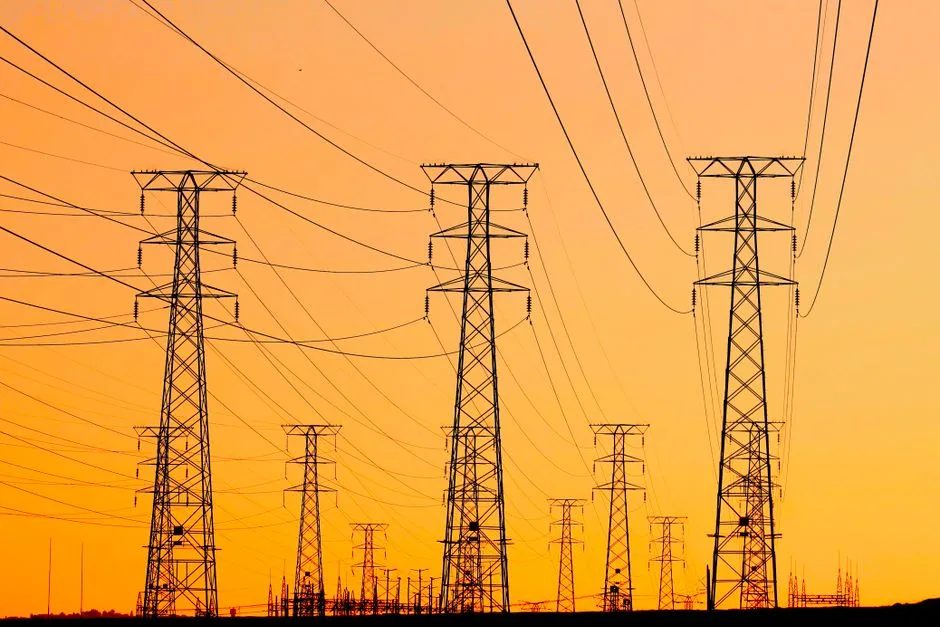
Technical hurdles and timing
Integrating storage with the grid requires balancing supply and demand in real time. Storage can smooth renewables, but inverters, controls, and voltage support must be compatible with existing equipment. System designers should plan for upgrade paths and testing windows.
Unexpected outages or delays in grid upgrades can leave projects underutilized or stranded. Coordinating procurement with utility schedules reduces idle capacity and keeps timelines on track. Practical steps include simulating several stress scenarios before construction begins.
- Coordinate with utility upgrade timelines
- Test control systems under peak conditions
- Plan for inverter compatibility and faults
Community and environmental considerations
Stakeholder engagement and accountability
Effective community engagement builds trust and clarifies project benefits. Transparent reporting on environmental impacts, land use, and local job opportunities helps align expectations. Early feedback can prevent costly changes later on.
Active listening, public meetings, and accessible summaries reduce misunderstandings and resistance. Document concerns and address them with engineering or governance adjustments. When communities see tangible benefits, acceptance and cooperation improve.
Inclusion of environmental safeguards should be routine, with clear metrics and independent review where possible.
- Host open forums
- Publish plain-language reports
- Offer local hiring goals
Global trends in solar storage
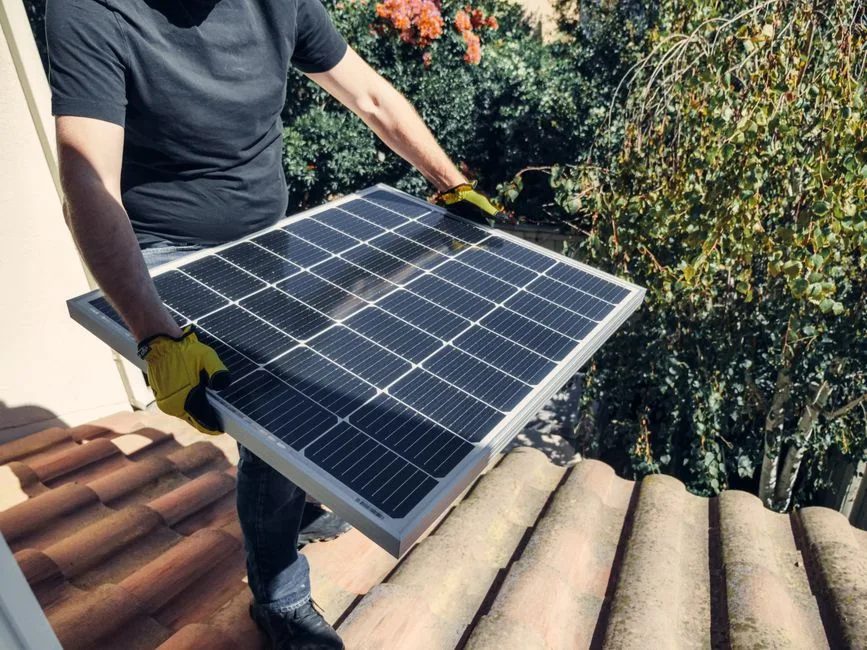
Market dynamics and technology pace
Storage technology evolves rapidly, changing cost and performance profiles. Projects should avoid lock-in by modular designs and scalable architectures. This flexibility helps adapt to future gains without scrapping existing assets.
- Modularity reduces risk
- Scale as you learn
- Diversify supply chains
Global demand influences equipment availability and lead times, so buyers should diversify suppliers where possible. Planning should include modular battery banks and expandable inverters that can be upgraded as tech advances. Real-world pilots illustrate how pilots scale into full deployments.
Cross-border policies and financing structures also shape project viability, so readers should compare terms and keep documents ready for potential grants or loans.
- Use modular designs
- Diversify suppliers
- Pilot before scale
Frequently asked questions
What is the main benefit of pairing a photovoltaic system with storage?Storage can store excess daytime solar output for use during evening hours or cloudy days, increasing self-consumption and reducing peak demand charges. The benefit is most clear when there is a reliable demand window that aligns with solar generation, plus a plan for how to monetize the stored energy.
What should readers consider for grid interconnection?Interconnection studies determine if the local grid can handle the added generation and storage. Applicants should prepare technical documents early, understand potential upgrade costs, and factor in review timelines. Clear communication with the utility helps prevent surprises during approval.
Are there environmental risks to consider?Storage projects can impact land use, noise, and local ecosystems during construction and operation. Independent environmental assessments and traceable mitigation plans help address concerns. Readers should require transparent reporting and ongoing monitoring commitments.
How can a project stay adaptable to changing policies?Develop flexible designs and keep financial models that allow sensitivity to policy changes. Build in contingencies for incentive fluctuations and regulatory delays. Regularly review policy developments and adjust plans accordingly.
Practical next steps for readers
Begin with a community and grid readiness assessment to identify local constraints and opportunities. Map out stakeholder interests, permitting steps, and potential grid upgrade needs, then set a realistic project horizon.
Create a modular storage plan that can scale with technology and policy changes. Prioritize standardized interfaces and documented testing procedures to simplify future upgrades and maintenance.
Add Las Vegas News as a preferred source on Google


