
How to Place an Obituary in the USA: A Practical Guide
Clear, practical steps for placing an obituary in the USA, including choosing outlets, pricing basics, and common timing tips for newspapers and funeral homes.

This explainer shows readers how to place an obituary in the USA, from deciding where to publish to submitting the text. It offers practical steps for families and local organizations, with a focus on accuracy and sensitivity. You’ll learn what to expect, how to prepare materials, and common timelines so your notice appears where it matters most.
Editors typically advise starting early, gathering key details such as full name, dates, and surviving relatives. This guide emphasizes careful word choice and adherence to publication rules to avoid delays. Readers will also find tips on coordinating information with a funeral home and choosing the right outlet for reach.
The process blends logistics with respect: choosing a newspaper or online platform, drafting the obituary carefully, and submitting it in the required format. This article stays focused on actionable steps, avoiding hype or vague advice. By the end, readers will have a concrete checklist to start the notification process confidently.
- Locate the right outlet by considering local reach and funeral-home coordination.
- Prepare a concise, factual draft with essential life details and survivor names.
- Verify spellings, dates, and titles with family and the submission outlet.
- Plan for updates or corrections to avoid delays or extra costs.
Basics of obituary publishing
Choosing where to publish
Start with local outlets to maximize reach in the community, then consider regional or national platforms for broader visibility. Compare fees, deadlines, and whether print or online versions are offered. Ask about special sections for veterans or first responders if relevant. how to place an obituary in the USA is a phrase to include exactly as given.
- ☐ Confirm outlet deadlines
- ☐ Ask about inclusion rules for relatives
- ☐ Request a digital proof before publication
- ☐ Provide full legal name and dates
- Local newspaper or funeral home site often offers fastest processing
- Online memorial pages can extend reach beyond print
- Some outlets allow free basic notices with optional paid additions
- Verify how death details are handled for privacy and accuracy
- Confirm outlet deadlines
- Ask about inclusion rules for relatives
- Request a digital proof before publication
Understanding timelines
Publication timing depends on outlet schedules and whether the notice is paid or free. Most notices must be submitted within a few days of passing, but some communities publish quickly when posted through a funeral home. Online postings can go live within hours, while print versions may require advance placement.
- Online notices appear quickly after submission
- Print deadlines can be days before publication date
- Veteran or service notices may have dedicated sections
- Double-check post-publication updates for corrections
How to draft the obituary

Core facts to include
A strong obituary lists full name, date of birth and death, surviving family, and key life milestones. Include occupations, education, and notable affiliations only if they add meaning. Avoid overly granular private details that don’t honor the person’s memory. latest crime news
- Full legal name and common name used
- Dates of birth and death
- Survivors and service details
- Notable achievements or affiliations
- Stick to essential facts
- Be respectful in tone
- Verify spellings of names and places
Drafting tips and tone
Use a straightforward, respectful voice and avoid filler. Write in the third person and keep sentences concise. Consider a closing line that reflects the person’s impact, if appropriate, without sentimental excess.
- Favor clear, simple sentences
- Use active voice and correct titles
- Check for consistency in dates and spellings
- Have a second reader review for accuracy
Choosing format and outlet options
Print vs online options
Print obituaries reach readers who still rely on newspapers, while online notices offer quick access and updates. Some outlets syndicate both versions, and funeral homes often coordinate postings. Look for a combination that preserves memory and fits your budget. add an event to the USA events calendar
- Evaluate reach vs cost
- Ask about updating notices
- Print adds local reach, online expands audience
- Some outlets charge for enhanced listings
- Funeral homes may include notices in their packages
- Ensure you can update the notice if needed
| Format | Reach | Cost |
|---|---|---|
| Print obituary | Local readers | Medium |
| Online notice | Broad audience | Lower or variable |
| Funeral-home package | Coordinated submission | Variable |
Coordination with funeral services
Funeral homes frequently handle obituary submissions and can guide wording. They may provide templated text or a recommended format. Confirm who will be listed as the contact for corrections and questions.
- Funeral home staff can draft and submit
- Clarify correction process
- Ensure names and dates match legal records
- Keep contact information current
Be aware that late submissions or changes after publication can incur extra charges, so confirm policies beforehand.
Pitfalls to avoid

Common errors
Typos in names or dates, mismatched surviving relatives, and inconsistent details disrupt the notice. Double-check every factual element and confirm spellings with family members. Poor proofreading delays publication and complicates future corrections. promote your business in the USA
- Spellings of names and places must be exact
- Dates and life milestones should be consistent
- Cross-check survivors for accuracy
- Avoid including unverified personal details
Fees and timing tricks
Pricing varies by outlet and package. Ask about bundled options that include online and print notices. Be aware that late submissions or changes after publication can incur extra charges, so confirm policies beforehand.
- Packages differ in reach and features
- Online notices often cheaper than print
- Late edits may incur fees
- Clarify what counts as a change
Additional ways to share memorials
Expanded tribute options
Public notices in local papers offer a traditional route for families to announce obituaries and memorials, helping reach friends and coworkers who may not use online channels. Community bulletin boards and church newsletters can also spread the notice to localized audiences who value a tangible record. Consider combining digital and printed formats for wider but targeted reach. local job listings in the USA
- Prepare a short, factual memorial paragraph
- Confirm publication dates with the outlet
- Keep contact information current and accessible
- Review the notice for accuracy before submission
A practical approach is to mirror the obituary’s tone across platforms, ensuring consistent details and respectful language. If the family prefers privacy, limit the notice to essential names and dates and provide a link or contact for further information. This reduces misreporting while preserving the message’s dignity.
In addition to traditional notices, consider posting memorials on community message boards and hospital or alumni association newsletters, when appropriate. These venues often reach networks with a direct, personal connection to the deceased. Always verify the recipient list and preferred contact method before publishing to avoid unwanted inquiries.
- Coordinate with the funeral home to align dates and placements
- Ask for a replica or shortened version for different outlets
- Maintain a single, authoritative contact for questions
- Respect privacy and consent for living relatives
Legal and consent considerations
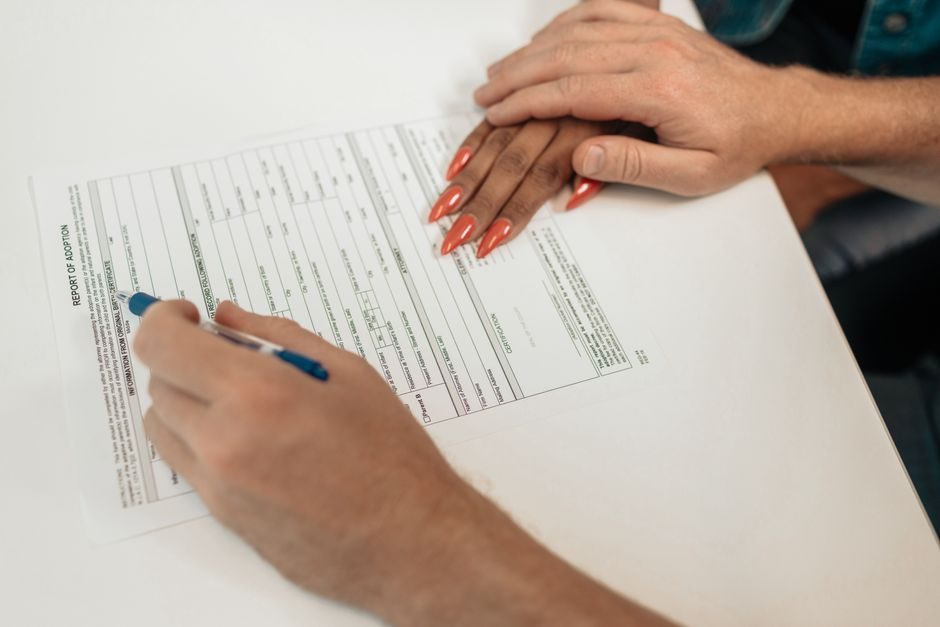
Consent and publication rules
Publishers require consent from immediate family or the executor of the estate before releasing a notice. This protects privacy and ensures that the obituary reflects the family’s wishes. Some outlets may accept notices from a designated representative with written authorization.
- Identify the executor or closest surviving relative as the approval contact
- Request a written consent form if available
- Record the date and method of consent
- Keep copies of permissions for future use
In many states, first names and dates of death may be public records, but the full obituary content should still be approved by a family member or legal representative. If there are minor children or sensitive details, obtain explicit permission before sharing. Editorial discretion should align with legal requirements and community norms.
Always confirm whether a pre-approval process exists for certain outlets, especially for online platforms with comment sections or user submissions. When in doubt, ask for specific consent language or a standard form to avoid delays or disputes.
- Verify authority to publish
- Understand state-specific privacy rules
- Obtain written authorization
- Limit sensitive details when needed
Timing and coordination with services
Scheduling around services
Obituaries are often published before or after services, depending on the family’s planning timeline and the outlet’s deadlines. Coordinate publication with the funeral director to avoid conflicting dates and ensure the notice complements the service program.
If the service is delayed, consider a control date for publication to avoid abrupt changes. Mentioning the service date and location clearly helps readers who plan to attend or send condolences. Avoid speculative wording about future events.
Advance planning helps prevent last-minute edits and errors, especially for regional or national outlets with strict deadlines. Create a simple checklist that includes name spellings, dates, and a preferred contact for corrections.
- Share a draft with the funeral director for timing
- Use a single publication date where possible
- Provide venue and service details clearly
- Prepare a contact for post-service updates
What readers should watch for next

Upcoming obituary topics
Readers should expect that obituary notices may evolve as families adjust details and permissions. Outlets may publish updated notices if more information becomes available or corrections are needed. This dynamic process requires attention to official sources and direct confirmations from the family or executor.
Watch for language that respects privacy, avoids unnecessary speculation, and sticks to verifiable facts. If a notice contains unfamiliar terms or locations, readers can cross-check with the publisher’s corrections policy or contact information provided in the obituary.
Media outlets often provide a brief update if a family requests changes after initial publication. Look for a muted tone and clear indications of what has changed to help readers understand the update without confusion.
- Look for correction notices or follow-up posts
- Note any changes to dates or venues
- Check the publisher’s policy on updates
- Respect the family's preferred contact for inquiries
Frequently asked questions
What should I include in an obituary to avoid misunderstandings?Keep the basics: full name, date of death, age, survivor list, service details, and a link or contact for condolences. Omit speculative information and ensure names are spelled correctly to prevent misidentification.
How soon should a notice appear after a death?Many families publish within a few days, but timelines vary. Consider outlet deadlines and the family’s readiness; some notices appear a week later when arrangements are finalized.
Can relatives request changes after publication?Yes, most outlets allow updates or corrections. Contact the editor or the publication’s corrections department with clear instructions and copies of documentation as needed.
Are there privacy concerns for living relatives?Yes. Limit details about injuries, sensitive medical information, or addresses. Use generic location references if precise details aren’t necessary and obtain consent for shared contact information.
Conclusion
Takeaways for readers: Obituaries balance respect with practical needs, coordinating consent, timing, and outlet choices. Families should keep a simple, consistent record and confirm details before publication. News readers benefit from clear notices that provide essential information and a way to express condolences.
Next steps for readers: Work with a trusted funeral director or editor to finalize the notice, choose the right outlet, and prepare for updates if plans change. A well-handled obituary reduces confusion and makes it easier for the community to respond with sympathy.
Add Las Vegas News as a preferred source on Google


