
How to place an obituary in the USA: clear steps for readers
A practical guide for readers on placing an obituary in the USA, with practical steps, options, and common pitfalls explained for accuracy and ease.

A reader-facing guide to placing an obituary in the USA starts with understanding the basics: who can publish, what information to include, and the best channels for reach. This article lays out practical steps from choosing a paper to submitting copy, so you can move quickly and accurately. You’ll learn how to prepare a notice that respects the deceased, the family, and the publication’s standards.
Start by identifying the right outlet based on geography and audience, then gather essential details such as full name, dates, and survivor information. Next, compare formats and costs across outlets, and prepare a clean, factual copy that editors can publish without delay.
Then, check timelines and deadlines, and confirm any required documents or consent forms. Finally, review proofs carefully and keep a simple record of submissions for future notices.
- Choose the right outlet with reach and timing. Prepare clear, verified copy with correct spellings and dates. Confirm deadlines and review proofs to avoid errors.
- Costs vary by length and placement; plan a budget and request a full quote.
- Keep digital and physical records of every submission for future notices.
- Proofing is essential to ensure accuracy and respect for the deceased and family.
Basics of obituary placement
Choosing the right outlet
Start by considering local versus national outlets and the expected audience reach. Compare deadlines, costs, and preferred formats, then pick the option that best matches the family’s wishes and timing. This decision affects how widely the notice will be read and how long it remains accessible. place an obituary in the USA is a common first step when a family wants to inform the community and honor the deceased.
- Rushing copy without checking factual details
- Sending incomplete dates or names that don’t match official records
- Ignoring outlet-specific formatting requirements
- Local papers often publish quickly after submission
- National outlets may offer broader reach for distant relatives
- Some outlets require consent from an immediate family member
- Costs vary by length, placement, and timing
Drafting the notice
Write a concise lead that includes the deceased’s full name and dates. Include survivor names and service details without speculation. Use plain language and avoid overly decorative phrases that obscure facts.
- Include exact spellings of names
- Provide dates in a clear format
- Verify service details with a family member
What to submit and where
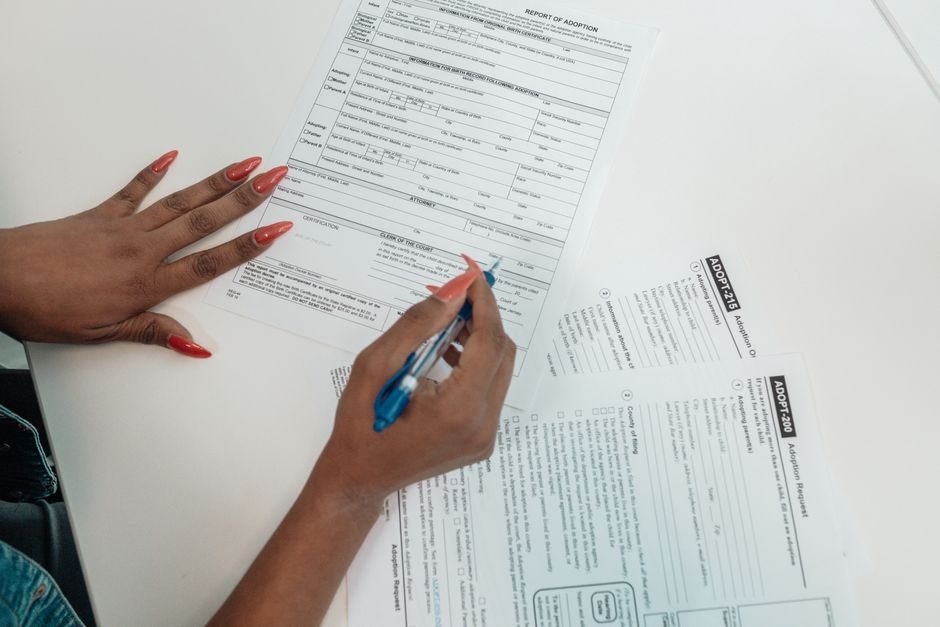
Required information
Prepare a verified set of details: full name, date of birth and death, surviving relatives, service information, and a link or contact for questions. Having this ready prevents back-and-forth delays. Keep the tone respectful and factual. burbnews.com news often highlights local notices and community responses.
- Full legal name as it should appear
- Dates in Month Day, Year format
- Location of service and burial
- Contact for inquiries
Where to submit notices
Local newspapers remain a common choice for timely notices, while funeral homes often coordinate notices for multiple outlets. Some communities also publish notices on a city or county portal. Consider your reach and any archival needs when selecting channels.
- Local papers for community reach
- Funeral home packages for broad distribution
- Online portals for longer-term visibility
Costs and timelines
How pricing works
Prices vary by length, placement, and rush fees. Some outlets offer bundled packages that include basic obituaries plus memorial notices. Always request a clear quote before submitting copy to avoid surprises. publish local events in the USA can be a companion path when coordinating memorials and services.
- Length and inclusion affect price
- Rush deadlines may cost more
- Hidden charges can apply for online versions
| Option | Typical placement | Average time to publish |
|---|---|---|
| Local paper | Community focus | Within 24-72 hours |
| National outlet | Broader reach | 72 hours–1 week |
| Online portal | Longer-term visibility | 24-48 hours |
Meeting deadlines
Publishers operate on strict deadlines to keep the news cycle accurate. Plan submissions early and confirm the exact deadline in writing. If you miss a deadline, ask about the next available slot and potential formatting restrictions.
- Record deadline dates
- Ask for proof times
- Prepare a shorter version if needed
Maintain a simple file of the notice, submission dates, and contact details.
Proofing and accuracy

Reviewing copy
After submission, editors will send proofs. Read them closely for name spellings, dates, and service details. Any mistake can require a costly correction or a reprint. list your company in the USA is occasionally relevant for funeral service providers seeking listings or partnerships.
- Check names and dates carefully
- Verify survivor order
- Confirm service details
Saving records
Maintain a simple file of the notice, submission dates, and contact details. This makes future notices easier and reduces miscommunication. A clear record helps families and editors alike.
- Keep a digital copy of the final text
- Note your submission date and outlet
- Store confirmation and proof copies
Legal considerations for obituaries
Legal rights and requirements in the US
Obituaries must comply with local and state laws, which can affect what details you can publish and how you file notices. Check deadlines for newspaper publication and the format required by local regulations. Many cities have specific rules about deceased identification and consent from survivors. place an advert in the USA to ensure the notice reaches multiple outlets and stays visible across platforms
Different jurisdictions may require proof of death, authorization from next of kin, or a registered funeral director’s involvement. If any information is disputed, a clerk can guide you on what is permissible. Understanding these rules helps avoid errors that delay notices.
Accurate information reduces the chance of disputes after publication. Before submitting, verify names, dates, and places of passing with reliable records. When in doubt, consult the funeral home or the newspaper’s obituary desk for clarification.
- Know local deadlines for notices
- Confirm survivor consent where required
- Prepare full legal names and places of death
- Verify spellings against records
- Be aware of sensitive data rules
Online obituaries vs print

Where readers see obits most
Online notices reach a broad audience quickly and offer easy sharing options. They are often updated as details change, and can include links to funeral services or memorials. However, online formats may prioritize speed over depth of information.
- Online obits enable rapid updates and sharing
- Print obits offer a physical, enduring record
- Many families publish both for reach and permanence
Print obituaries provide a lasting, physical record that some families prefer for archival reasons. They offer a formal tone and can be indexed in local papers. The decision often reflects reader expectations in the community.
A practical approach blends both: publish a concise version online with a longer, structured PDF or printed version in the newspaper. This ensures accessibility now and long-term availability for relatives and researchers.
Obituary etiquette across cultures
Cultural sensitivities in wording
Different cultures have varied expectations about tone and content. Some communities emphasize collective memory and include extended family or communal rituals. Others favor concise notices with essential facts only.
Be mindful of selecting language that respects mourners’ traditions and avoids assumptions about religious beliefs or afterlife expectations. When in doubt, ask the family for preferred wording or to review a draft.
Clear, respectful language helps a notice be useful to a broad readership while honoring the deceased’s and family’s wishes.
- Respect religious and cultural preferences
- Ask families for preferred wording
- Avoid assuming rituals or affiliations
- Keep tone dignified and factual
Choosing a funeral home or aggregator

Directing the notice through a provider
Funeral homes often coordinate notices as part of their service, providing a straightforward submission path and a standard format. They can handle deadlines, proofs, and placements with familiar workflows. This reduces the risk of errors and delays.
Aggregators pull notices from multiple sources, offering broader reach and uniform formatting across outlets. They can save time when posting in several newspapers or websites. Be sure to understand each outlet’s requirements and any fees involved.
Compare service levels, turnaround times, and the ability to make edits after submission. If possible, request a sample layout to verify how your notice will appear.
- Assess speed and reliability
- Check editing and proofing options
- Request a draft layout
- Clarify fees and timelines
- Confirm post-publication updates
Frequently asked questions
Who can submit an obituary notice?Typically a surviving spouse, immediate family, or a designated funeral director can submit an obituary. Some publications accept notices filed by an authorized agent or the funeral home. Always verify who has the authority to publish with the newspaper or aggregator you choose.
How long does it take for a notice to appear?Turnaround varies by outlet and method. Some notices appear within a few hours online, while print publication may require a day or more after submission. Planning ahead and confirming deadlines helps avoid last-minute pressure.
Can I edit an obituary after it’s published?Many providers allow post-publication edits to correct errors or add details. Some changes may incur a fee or require a new proof. Always ask about editing windows and fees before submitting.
What information should I prepare in advance?Have full legal names, dates of birth and death, and surviving family details ready. Prepare a brief biography if desired, plus any service times or visitation information. Having a vetted contact for the submission helps ensure accuracy.
Next steps for readers
For families navigating obituary placements, start by confirming the preferred outlet with the funeral professional or aggregator you plan to use. Gather essential details and confirm consent from any survivors before you submit. A clear timeline helps prevent last-minute stress.
If you’re responsible for a public notice, build a checklist that includes deadlines, formatting requirements, and proofing steps. Use a single point of contact to handle revisions and ensure consistency across platforms. This approach reduces confusion during a difficult time.
Add Las Vegas News as a preferred source on Google


