
How to use USA events calendar for news readers
A practical, checklist-style guide for news readers on how to use a USA events calendar to track happenings, verify details, and inform reporting.

An events calendar can be a reliable source for quick, verifiable context around breaking stories. This guide shows how to use such a calendar effectively for reporting and audience alerts. You’ll learn what to check, how to cross-verify items, and which signals matter for current events coverage.
The approach stays practical: verify time frames, confirm locations, and note any conflicting listings. You’ll build a routine that reduces last-minute scrambling and helps you decide when an item deserves coverage. Expect concrete steps, real-world checks, and simple prompts you can reuse.
Finally, you’ll see how to integrate calendar findings into your workflow without slowing your process. The goal is clear, usable guidance that fits newsroom pace. Use these steps to turn listings into accurate, timely reporting.
- A USA events calendar can be a credible source for newsroom story ideas and scheduling checks. Verify dates, venues, and times against multiple sources before publishing. Build a simple workflow to track updates and alert readers to new developments.
- Use calendars to plan coverage by impact and urgency, prioritizing major events while monitoring niche items.
- Cross-check listings with official organizers and local outlets to avoid misreporting and to provide readers with reliable context.
- Keep an ongoing log of changes and updates to help editors understand how a story has evolved over time.
Basics you should know
What the calendar covers
Start by identifying the calendar’s scope: national, regional, or city-focused listings. Check whether it includes performances, conferences, festivals, or civic events, and note time zones. This helps you decide which items are likely to matter to your audience and which can be archived for later use. USA events calendar
- ☐ Compile a running list of events that meet basic newsroom relevance criteria.
- ☐ Note the official source for each listing and any secondary confirmations.
- ☐ Record any date changes or venue updates as soon as they appear.
- Identify the geographic focus (national vs local)
- Note event types included (performances, conferences, civic events)
- Record time zones and start times
- Check for updater or cancellation flags
- Mark items with potential newsroom relevance
How to read a listing
A listing should name the event, date, venue, and brief description. Look for specific location details and start times, then compare with other sources. If a listing lacks a critical detail, treat it as tentative and seek confirmation before reporting.
There’s value in tagging items by likelihood: confirmed, tentative, or canceled. This helps reporters triage what to monitor during the day and what to publish only after verification.
Finally, check for accompanying notes such as ticketing links, accessibility information, or safety advisories that affect coverage decisions.
How to plan coverage

Prioritize by impact
Rank events by potential audience impact and newsroom relevance. Major national gatherings or widely attended regional events should lead the agenda, while niche listings go to later slots. This keeps coverage focused and timely. A useful resource on this topic: USA news.
- Establish a watch list for top events with deadlines.
- Assign verification tasks to team members.
- Prepare quick follow-up notes for live coverage if new details emerge.
- Major events take precedence in lead slots
- Regional but high-interest events deserve sublead placement
- Low-profile events can be monitored for updates
Verifying details
Verification starts with matching event details across multiple reputable sources. Cross-check venue, date, and time, and look for official confirmation from organizers. If discrepancies arise, pause and seek official confirmation.
Use stable sources like city calendars or official venue pages and note any date shifts promptly.
Record any conflicting listings and how you resolved them, then publish only when you have corroboration.
- Cross-check with at least two independent sources
- Prefer primary organizers for dates and venues
- Document why a listing was marked as unverified
Pitfalls to avoid
Ambiguous listings
If a listing lacks a venue or date, treat it as incomplete. Do not publish with missing critical details. Reach out to organizers or monitor the listing for updates before reporting. A useful resource on this topic: list your company in the USA.
- Avoid posting incomplete details
- Seek official confirmation before reporting
- Note any unresolved questions for editors
Ambiguity often leads to errors in timing or location which can mislead readers.
Corrective steps include awaiting confirmation or noting uncertainty in the story plan.
| Option | Pros | Cons |
|---|---|---|
| Event highlights | Clear focus for readers | May miss smaller events tied to the beat |
| Regional calendars | Broader coverage area | Can have overlapping entries |
| Official pages only | Highest accuracy | May not capture community listings |
Overreliance on a single source
Relying on one calendar or feed risks missing updates or corrections. Use multiple calendars, official pages, and local outlets to corroborate entries.
Diversify sources by geography, venue type, and organizer to reduce blind spots. This also surfaces discrepancies earlier.
When in doubt, pause and verify rather than filing a quick, potentially wrong item.
Use plain language and avoid jargon that can confuse a general audience.
Practical tips for readers

Crafting clear alerts
Create short, factual alerts that give readers the what, where, and when. Include a link to the official page and note any verification status. A useful resource on this topic: local classifieds in the USA.
Use plain language and avoid jargon that can confuse a general audience. Alerts should help readers decide whether to check a link or read fuller coverage.
Maintain a consistent format for alerts so readers scan quickly and understand what is happening.
Using calendars for ongoing coverage
Use calendars to map a beat across days or weeks. Track trends, such as recurring events or recurring venues, to anticipate future stories.
Integrate listings into daily briefings and editorial calendars to align with breaking news rhythms.
Review calendar-driven stories for accuracy and update them as events evolve.
Assessing impact on communities
Evaluating local effects on residents
When a calendar event is reported, note how it affects daily life in nearby neighborhoods, such as traffic patterns or crowd safety. Reporters should verify neighborhoods most affected and whether services adjust for attendees. Include perspectives from residents, organizers, and local officials to provide balance. A useful resource on this topic: publish a death notice in the USA.
Identify moments of significance that extend beyond a single event, like recurring gatherings that shape urban rhythms or strain resources. Describe both the short-term disruptions and longer-term benefits, such as increased commerce or volunteering opportunities. Use concrete examples to anchor the impact in real terms.
The assessment should translate broader calendars into specific newsroom implications, guiding coverage priorities. Consider which events merit live updates versus background context. Track the evolving situation with timelines and check-ins to keep readers informed.
- Map affected streets and transit changes
- Note whether downtown buildings near venues will be busy
- Record official statements on safety and crowd management
- Monitor shifts in service availability during events
Strategies for live updates
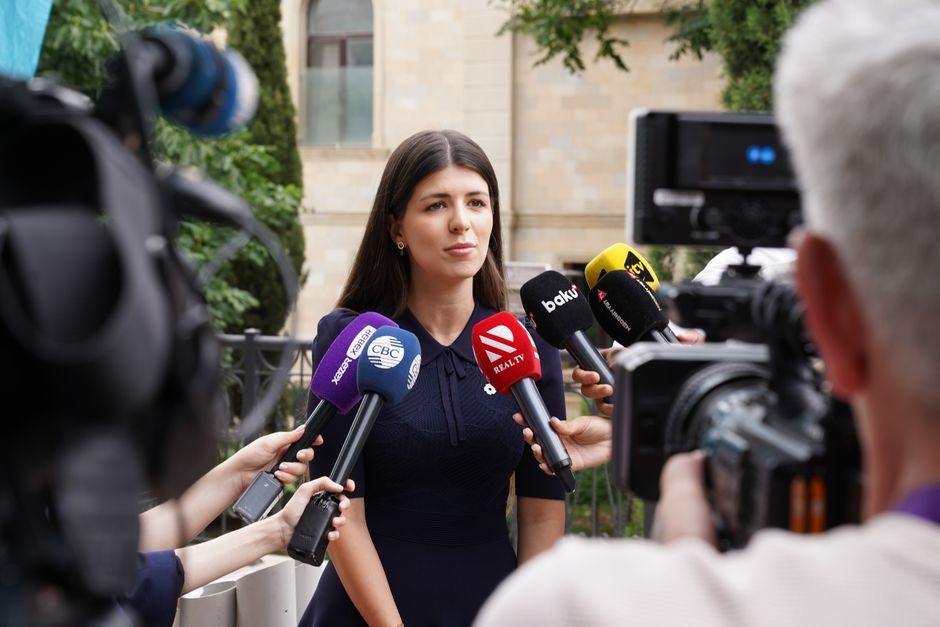
Real-time coverage workflow
Set a clear trigger for live updates, such as a confirmed start time or anticipated crowd size. Assign a primary reporter on site and a keeper of the newsroom’s timeline to synchronize posts. Use plain language that explains what readers should expect and when.
Develop a rapid verification process to confirm new details, like transport advisories or safety restrictions. Publish corrections promptly and label updates with timestamps. Avoid speculation and rely on confirmed sources, including authorities and event organizers.
Create a rotation for updates that keeps the newsroom balanced, with slots for on-the-ground reports, official statements, and reader submissions. Store this coverage in a centralized feed so editors can reference context and avoid duplication.
- Define a 30-minute update cycle
- Use verified sources first
- Label updates clearly with time and source
- Coordinate with social media for quick dissemination
Legal and ethical considerations
Rights, privacy and safety rules
Covering events requires careful attention to privacy, especially when minors or vulnerable individuals are involved. Obtain consent when possible and blur faces if necessary. Respect venue rules and law enforcement briefings to avoid endangering sources.
Ensure that reporting does not amplify misinformation or sensationalism. Cross-check claims before publishing and provide transparent sourcing. Readers should be able to trace how a statement was verified and who provided it.
Consider the potential impact of coverage on ongoing investigations or legal proceedings. Avoid publishing legal advice under the guise of reporting and refrain from trivializing sensitive topics that could harm individuals or communities.
Enhancing reader engagement

Interactive elements and reader input
Invite readers to share their experiences and questions about events, but moderate submissions to prevent abuse. Curate a mix of on-the-ground reports and reader perspectives to broaden context.
Use reader comments to surface overlooked angles, such as neighborhood impacts or small business responses. Summarize representative points in follow-up stories to show accountability and listening.
Provide practical guidance on how readers can verify event details themselves, including a simple checklist and trusted sources. This builds trust and reduces confusion during fast-moving coverage.
- Encourage brief on-site reports from readers
- Highlight diverse local voices
- Offer a plain verification checklist
- Acknowledge reader submissions in follow-up stories
Frequently asked questions
How should a reader verify event details before planning around them?Readers should consult official city or venue updates, cross-check information with multiple trusted outlets and look for explicit statements about timing, access, and safety. If uncertainty remains, plan around official windows for confirmation and avoid making assumptions based on social posts alone.
What makes a calendar entry newsworthy for a local audience?A calendar entry becomes newsworthy when it has clear impact on daily routines, safety, or local services. Factors include disruptive traffic, changes to transit schedules, or public safety advisories that readers need to know to adjust plans.
How should coverage handle conflicting information?Report the conflicts plainly, attribute them to the sources, and outline what is being done to verify. Provide readers with a clear path to follow for updates and avoid presenting uncertain details as facts.
What should be included in an on-the-ground update during a breaking event?Include the event’s start time, venue, current crowd conditions, accessibility options, and official guidance. Use direct quotes sparingly and prioritize verifiable details that help readers make immediate plans.
Conclusion: practical next steps for readers
Review upcoming events for potential impact on your daily routine and note traffic, safety advisories, and local service changes.
Add Las Vegas News as a preferred source on Google


