
Las Vegas Heat Safety: Practical Tips for Hot Weather
Practical Las Vegas heat safety tips: plan outdoor time, find cooling breaks, spot heat illness early and know when to get emergency help.

To stay safer in Las Vegas heat, plan outdoor activity for cooler parts of the day, drink water regularly, wear light clothing and take breaks in air-conditioned or shaded places. Watch for headache, nausea, dizziness or unusual weakness. Move someone with symptoms to a cooler place, and call 911 for confusion, fainting, seizures or very hot skin.
Heat can build quickly during errands, walks between venues or time spent waiting outdoors. Visitors may underestimate the sun, while residents can face exposure during commutes, outdoor work and routine activities. A little planning helps reduce risk without requiring you to cancel every outdoor plan.
Use the guidance below to choose safer times and places, recognize when someone needs help, and avoid common mistakes. Check local weather alerts before heading out, since conditions change; this guide offers general precautions rather than a forecast.
- Plan outdoor activity for cooler hours and check local heat alerts before leaving.
- Carry water, use sun protection and build shaded or air-conditioned breaks into your route.
- Stop activity and cool down at the first signs of heat illness.
- Call 911 for confusion, fainting, seizures or very hot skin.
Why Las Vegas Heat Calls for Extra Care
Sun Exposure Adds Up
Las Vegas heat can affect you during ordinary activities, not just long hikes or sporting events. Direct sun on a sidewalk, parking lot or bus stop can make a short wait feel strenuous, especially when you are carrying bags or walking quickly. Build in shade and water breaks before you feel overheated.
- Mistake: Waiting until you feel thirsty; better: drink water regularly while outdoors.
- Mistake: Treating shade as a substitute for water; better: use both and take cooling breaks.
- Mistake: Assuming a short walk is risk-free; better: plan a route with shade and a way indoors.
Dry air can make sweat evaporate quickly, so you may not notice how much fluid you are losing. Sip water regularly during time outdoors and take more frequent breaks if you are active or sweating heavily. Thirst is a useful signal, but do not rely on it as your only reminder.
People respond differently to heat, and some need extra care, including young children, older adults and anyone with certain health conditions. If you are taking medication or have a condition that affects heat tolerance, ask a clinician about precautions. Keep an eye on companions rather than assuming everyone will speak up when unwell.
Heat Changes Everyday Plans
A familiar route can become more demanding when it has little shade, a long exposed crossing or a wait outdoors. Before leaving, consider how long you will be outside and whether you can shorten the trip or pause in a cool indoor place. A route with shade may be safer than the quickest route.
Heat risk rises when exertion and exposure continue without enough rest. Carry water for walks, avoid rushing between errands and take a break if you begin to feel weak or lightheaded. If you are responsible for someone else, agree on a simple plan to stop and cool down as soon as symptoms appear.
Do not leave children, vulnerable adults or pets inside a parked vehicle, even for a brief errand. A car can heat rapidly, and opening a window does not make it a safe waiting place. Bring everyone with you, use a staffed indoor setting where appropriate, or change the plan so nobody is left behind.
- Check the route for shade and indoor stops.
- Carry water when you expect to be outdoors.
- Build rest breaks into errands and walks.
- Bring every person and pet out of the vehicle.
How to Plan Outdoor Time Safely
Choose Cooler Hours
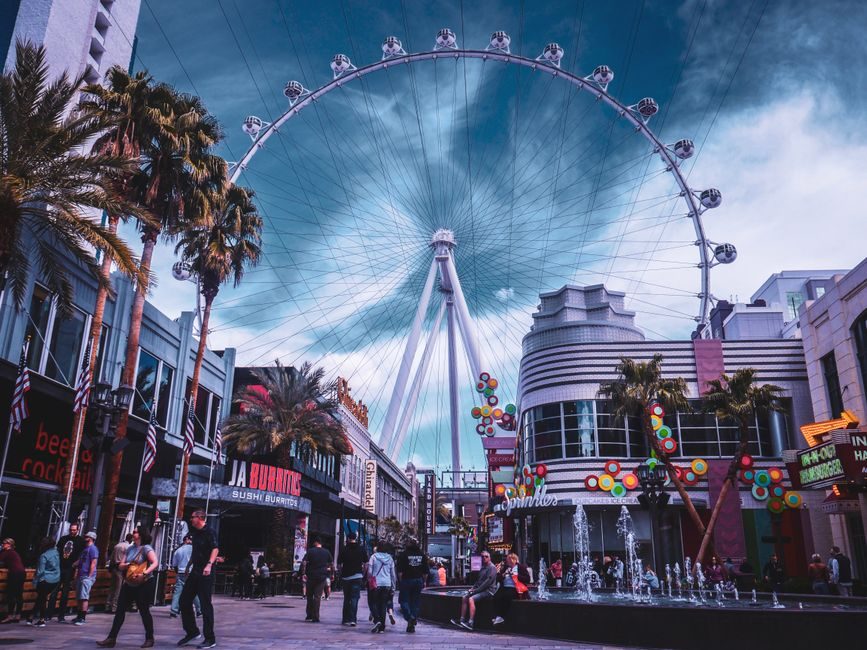
Schedule strenuous outdoor tasks for the cooler parts of the day when possible, and move flexible errands indoors during the hottest hours. Check the current forecast and heat alerts before setting out rather than relying on yesterday’s conditions. If an alert is active, postpone nonessential exertion or choose an air-conditioned alternative.
For a walk, run or outdoor workout, shorten the session and reduce your pace when conditions feel oppressive. Start near a place where you can cool down, and tell someone your plan if you will be away from home. Stop if you feel unwell; finishing the route is less important than getting to safety.
Visitors walking between hotels, attractions or transit stops should plan the whole journey, not only the time at the destination. Look for shaded stretches, indoor places to pause and a way to change plans if heat becomes uncomfortable. A realistic schedule leaves room for rest instead of treating every transfer as a race.
Prepare Before Leaving
Drink water before you head out and take enough for the activity, while avoiding the assumption that one bottle will cover every situation. Wear lightweight, loose-fitting clothing, a brimmed hat and sunglasses, and use sunscreen according to its directions. These measures reduce sun exposure but do not replace shade or breaks.
Tell companions where you are going and agree to check in if plans change. Families can set a meeting point in case someone gets separated, and groups should make sure nobody is left to walk alone when feeling unwell. Carry a charged phone, but do not mistake access to a phone for a heat-safety plan.
If you use public transport, account for the outdoor walk to and from your stop and any time spent waiting. Check service information before leaving, carry water and identify a nearby indoor place where you can cool down. If the wait feels unsafe, change your route or seek help rather than pushing through.
- Check the forecast and heat alerts.
- Carry water and wear sun-protective clothing.
- Choose a route with shade and indoor stops.
- Share your plan and adjust it if conditions change.
Choosing Shade, Cooling and Indoor Breaks
Use Cooling Stops Wisely
A shaded bench offers a better rest than direct sun, but shade alone may not cool someone who is already becoming ill. When possible, take breaks in an air-conditioned indoor space and loosen excess clothing. If symptoms do not improve promptly, or they worsen, seek medical help rather than simply resuming activity.
- Use air conditioning for a substantial cooling break.
- Choose shade for a short rest while arranging a cooler place.
- Leave a hot vehicle and bring every passenger and pet with you.
Plan stops around where you will actually be, such as an open indoor public space or a place where you can safely pause during an errand. Do not assume every building is open or available to the public; check access before depending on it. Keep a backup option in case your first stop is closed.
If you are driving, use the vehicle’s air conditioning to cool down, but never leave a person or pet alone in the parked car. Keep water accessible and avoid turning a brief stop into prolonged exposure in a hot vehicle. When walking, use indoor breaks to recover rather than waiting until you feel dizzy or weak.
| Option | Best use | Limit |
|---|---|---|
| Air-conditioned indoor space | A substantial break or recovery | Check that it is open and accessible |
| Outdoor shade | A brief pause out of direct sun | May not cool someone with symptoms |
| Cool water or wet cloths | Cooling a person while help is arranged | Not a substitute for emergency care |
Match the Break to Conditions
Choose an indoor, air-conditioned break when you have been outside for a while, feel unusually tired or need to recover between activities. Shade can help reduce direct sun exposure during a brief pause, but it may not be enough in severe heat. Move to a cooler environment if you feel unwell.
A cooling towel or damp cloth can provide comfort, and loosening extra layers may help someone cool down. These steps are not substitutes for emergency care when serious warning signs appear. Keep checking how the person responds, and do not leave someone with symptoms alone while you seek assistance.
For a group outing, agree in advance that anyone can call for a break without having to justify it. Select a nearby place to regroup, and change the plan if it is too hot to continue safely. This simple agreement helps visitors and residents avoid pressure to keep walking when their bodies need rest.
- Choose air conditioning when someone needs to cool down.
- Use shade as a temporary break from direct sun.
- Stop the activity if symptoms develop.
- Do not continue until the person feels well and conditions are manageable.
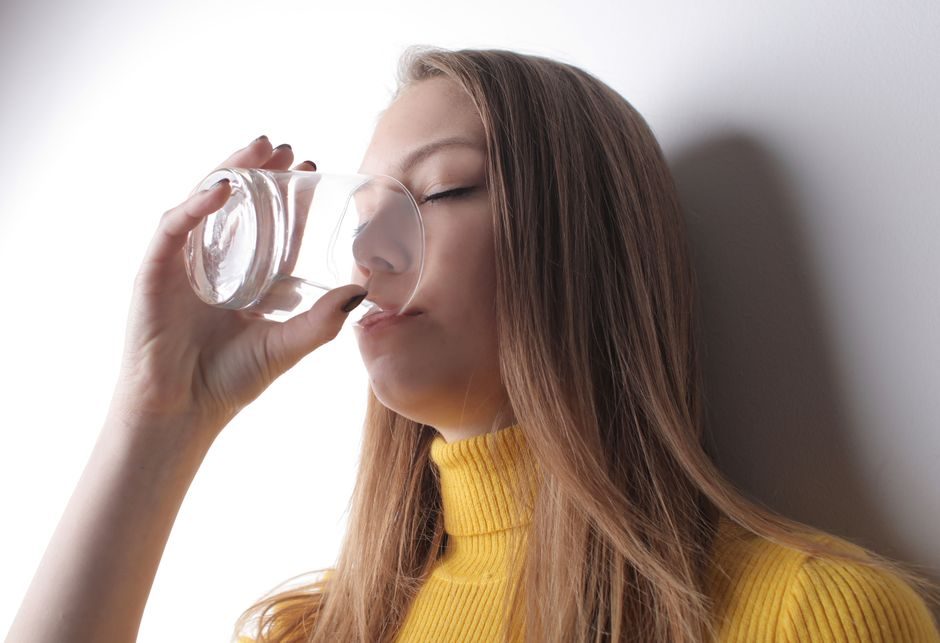
Headache, nausea, dizziness, weakness, heavy sweating and muscle cramps can signal heat exhaustion.
Recognizing Heat Illness and Getting Help
Spot Early Warning Signs
Headache, nausea, dizziness, weakness, heavy sweating and muscle cramps can signal heat exhaustion. Stop the activity, move the person to a cooler place, loosen unnecessary clothing and offer small sips of water if they are awake and able to drink. Do not leave them alone while you monitor how they feel.
- Stop the activity and move the person to a cooler place.
- Call 911 for confusion, fainting, seizures or very hot skin.
- Begin cooling with cool water or wet cloths while help is coming.
- Do not give drinks to someone who cannot swallow safely.
Confusion, fainting, seizures or very hot skin can indicate a life-threatening emergency. Call 911, move the person out of the heat and begin cooling them with cool water or wet cloths while help is on the way. Do not give fluids to someone who is confused, unconscious or unable to swallow safely.
Symptoms can worsen, so do not wait for a person to collapse before taking action. If they do not improve after cooling and rest, or you are unsure how serious the situation is, get medical help. Tell responders what symptoms you observed and how long the person may have been exposed.
Help Without Delaying Care
Stay with anyone showing signs of heat illness and ask another person to call for help if needed. If the person is alert and able to swallow, offer small sips of water while moving them to a cooler location. Stop exertion and remove extra layers; do not encourage them to walk farther to reach a preferred destination.
Call 911 immediately for severe warning signs, including confusion, fainting or seizures. While waiting, cool the person with wet cloths or cool water and follow the dispatcher’s instructions. If they are unconscious or vomiting, do not give them anything to drink, and keep watching their breathing.
After someone recovers, do not send them straight back into strenuous activity or leave them alone in the heat. Arrange medical assessment if symptoms persist, return or seem severe. For future outings, adjust the timing, route and rest plan so the same exposure is less likely to happen again.
- Stay with the person and stop their activity.
- Move them to a cooler place and begin cooling.
- Call 911 for severe symptoms or worsening condition.
- Avoid drinks if they are confused or cannot swallow.
Keeping Children, Older Adults and Pets Safer
Build Check-Ins Into Plans
Agree on a simple check-in plan before children or older relatives spend time outdoors in Las Vegas heat. Set a return time, identify a cooled indoor place to meet, and make sure everyone knows how to reach the person coordinating the outing. A child should not be left to manage heat exposure or find help alone.
- ☐ Arrange a check-in time before outdoor plans begin.
- ☐ Identify a nearby cooled indoor place.
- ☐ Offer children water and regular breaks.
- ☐ Never leave a child or pet in a parked car.
Older adults may be more vulnerable to heat, particularly when health conditions or medicines affect how the body responds. Encourage regular contact during hot days, and ask whether the person has working air conditioning and a way to reach a cooler place. If they seem confused, unusually weak or unwell, treat the change seriously and seek help.
Keep children’s outdoor activity flexible rather than relying on them to judge when it is time to stop. Offer water regularly, build in shaded indoor breaks, and watch for unusual tiredness, irritability or headache. If a child becomes ill, move them to a cooler place and get medical advice rather than sending them back to play.
Protect Pets From Heat
Walk dogs during cooler parts of the day and choose shaded routes when possible. Pavement can become hot enough to injure paws, so check the surface with your hand before setting out and turn back if it feels too hot. Carry water, keep the walk brief, and let the animal rest in a cool place.
Pets need access to shade and fresh water at home, but shade alone may not protect them through prolonged extreme heat. Bring animals indoors when conditions become dangerous, and do not leave them in a parked vehicle, even for a quick errand. A cracked window does not make a car a safe place to wait.
Watch for heavy panting, excessive drooling, weakness, vomiting or difficulty standing. These can signal a heat emergency, so move the pet to a cooler area and contact a veterinarian promptly. Avoid forcing water or using ice-cold immersion unless a veterinary professional directs you; rapid cooling methods can create additional risks.
Preparing Your Home and Daily Routine

Set Up a Cooler Home
Prepare your home before the hottest part of the day by checking that air conditioning works and keeping doors and windows closed when outdoor air is hotter. Use blinds or curtains to block direct sun through windows, especially on the side receiving afternoon light. A cooler room can serve as a resting place if other areas warm up.
Businesses that serve customers locally may use Local Seo Services to keep location details and customer-facing information consistent when schedules change. At home, keep practical heat supplies together, including drinking water, charged phones and any needed medication. Store them somewhere easy to reach, not in a hot car or a place exposed to direct sunlight.
If the cooling system fails, avoid waiting in a dangerously hot home for repairs if you can reach a cooler indoor location safely. Check on household members who may have difficulty recognizing or responding to heat. Keep phone numbers for a trusted contact and medical providers accessible, and follow official local alerts for emergency guidance.
- Test the cooling system before heat builds.
- Close curtains against direct afternoon sun.
- Keep drinking water and charged phones accessible.
- Choose a cooler room for resting.
Adjust Everyday Errands
Move errands that involve walking, outdoor queues or carrying heavy items to cooler hours when your schedule allows. Group nearby stops to reduce repeated trips outside, and park in a shaded area when available without blocking access or creating a safety problem. Keep water in the vehicle, but do not leave children or pets inside.
A business owner looking to improve a website or online visibility can review Seo Services as a separate resource, though it is not a source of weather guidance. For your own daily plans, check local business hours directly before leaving, since schedules may change and posted information can become outdated. Build in time for a cooling break.
Choose lighter activity when the heat is intense, and postpone strenuous work if it can safely wait. If you must work outdoors, take breaks in a cooled or shaded place and follow workplace heat-safety procedures. Do not push through dizziness, nausea, headache or unusual weakness; stop, cool down and seek help if symptoms worsen.
Checking Local Business Hours Before You Go
Confirm Before Leaving
Check a business’s current hours before setting out, especially when your plan depends on an outdoor service, appointment or pickup. Look for a recent notice on its official website or social channel, and call if the information is unclear. That small check can prevent a long wait outside or an unnecessary trip during hot weather.
A business owner who wants to improve its website or online visibility can review Seo Services as a separate matter, but business listings are not a substitute for checking today’s hours. For visitors, confirm whether an appointment requires arriving early, and ask about indoor waiting arrangements if you expect to be outside. Keep the confirmation available on your phone.
Do not assume that a familiar schedule will hold during heat-related disruptions or staffing changes. If a location is closed, follow its official instructions rather than relying on an unverified post or rumor. When possible, choose another indoor destination or reschedule instead of waiting outside for reopening.
Plan for an Easier Visit
Arrange appointments and pickups for a time that limits outdoor waiting, and ask whether you can wait inside until staff are ready. If you are visiting an unfamiliar part of the valley, check parking and entrance details in advance so you do not have to search on foot in the heat. Bring water for the trip.
Allow extra time for transport and walking between stops, particularly if a closure or service change alters your route. Keep the destination’s contact details handy, and tell someone if you are traveling alone and expect a long wait. If the site has no cool indoor space, consider postponing the visit during severe heat.
For businesses with multiple locations, confirm the hours of the specific branch rather than relying on a general company listing. Check whether the service you need is available there before traveling, because a location may remain open while a particular counter or activity is unavailable. When details conflict, contact the business directly and follow its latest instructions.
- Check the specific location’s hours.
- Confirm the service or appointment is available.
- Ask about indoor waiting space.
- Keep the business’s contact details accessible.
Sharing Clear Updates About Service Changes
Make Changes Easy to Find
When heat affects operating hours or public-facing services, put the change where customers are most likely to look before traveling. State whether the service is delayed, moved indoors, limited or closed, and include when the update applies. Leicester Seo Services is relevant only to readers who also manage a business serving Leicester or Leicestershire and need location-specific marketing support.
Use plain language and identify the affected location, service and next step. If customers should call before arriving, say so clearly; if an appointment will be rescheduled, explain how they will be contacted. Keep the same core details across your website, listings and social channels so people do not have to reconcile conflicting instructions.
Update the notice again when the situation changes, and remove temporary messages once they no longer apply. A stale warning can send people away unnecessarily, while an outdated open status can expose them to a hot trip. Assign someone to check public-facing details during the disruption, and make sure staff know what they are authorized to confirm.
Give Customers a Safe Next Step
A useful service update tells people what to do next, not only what has changed. Offer a clear alternative such as a later appointment, a different location, or a phone-based way to confirm availability. Avoid asking customers to wait outside for an uncertain reopening time, especially when heat makes prolonged waiting unsafe.
Keep staff informed with the same current message customers see, so they can answer questions consistently. If a location is operating with reduced services, specify which tasks remain available and which do not. This helps people decide whether a trip is necessary and reduces confusion at the entrance.
If customers report that posted information is wrong, verify the details before changing the notice and correct every place where the old message appears. Do not promise an opening time or service you cannot confirm. A brief, accurate update is more useful than a confident but unsupported assurance when conditions and staffing may change.
Frequently asked questions
How can I tell if pavement is too hot for a dog?Touch the pavement with the back of your hand and hold it there for several seconds. If the surface feels too hot to keep your hand comfortably in place, it can burn a dog’s paw pads. Choose grass or shade, walk at a cooler time, or skip the outing. Even when pavement seems manageable, keep the walk short and watch your pet closely.
What should I do if my home loses air conditioning during extreme heat?Move household members to a cooler indoor location if you can do so safely, and check on anyone who may be especially vulnerable to heat. Contact a repair professional, but do not wait in an increasingly hot home if symptoms develop. Drink water, avoid exertion and follow local official guidance. If someone becomes confused, faints or has severe symptoms, seek emergency help.
Is it safe to leave water in a car for the day?Water stored in a hot vehicle can become unpleasant to drink, and a bottle exposed to direct sunlight may heat up. Carry fresh drinking water with you when possible, and refill it at a safe, clean source. Never leave a child or pet in a parked car while you make a quick stop; vehicle temperatures can rise dangerously fast.
When should someone with heat symptoms get emergency help?Call emergency services for severe symptoms such as confusion, fainting, seizures or loss of consciousness. Move the person out of the heat while help is on the way, and follow the dispatcher’s instructions. For milder symptoms, stop activity, get to a cooler place and sip water if the person is alert. Worsening symptoms or failure to improve call for prompt medical advice.
Make Heat Safety Part of the Plan
In Las Vegas, heat safety depends on small decisions made before and during the day: check on vulnerable people, adjust errands, protect pets, and confirm business hours before leaving. Keep an eye on how people feel, not only on the temperature. If someone develops concerning symptoms, stop activity, move to a cooler place and seek appropriate help rather than waiting for them to recover on their own.
Before your next hot-weather outing, check official local guidance, confirm your destination is open and decide where you can take a cooling break. Make sure children and older adults know the plan, and never leave a person or animal in a parked car. If conditions change, postpone the trip or choose a safer indoor option.
Add Las Vegas News as a preferred source on Google


