
What Type of Business Is a Casino in Las Vegas, Nevada?
Learn what kind of business a casino is, how gaming earns revenue, and how casinos fit into Las Vegas resorts with hotels, dining and entertainment.

A casino is a regulated gaming business, often operated as part of a larger hospitality and entertainment company. It earns money from games of chance and may also bring in revenue from hotel rooms, restaurants, shows, retail and other resort services. In Las Vegas, many casino properties combine these activities, so gaming is one part of a broader business.
The distinction matters when you look at a casino resort: gaming revenue comes from wagering, while hotel and dining sales come from customers paying for services. Those operations can share a property and support one another, but they have different costs, staffing needs and ways of earning income.
This guide explains the main revenue sources, how casino games are operated and how gaming fits into familiar Las Vegas resort settings. It also offers a practical way to think about spending: separate the cost of a stay or meal from money set aside for gambling.
- A casino is a regulated gaming business, often part of a larger hotel and entertainment resort.
- Gaming wagers, hotel stays, dining and shows are distinct sources of business revenue.
- Slots, table games and sports betting involve different ways to participate, but all carry financial risk.
- For a Las Vegas visit, keep gambling money separate from lodging, dining and entertainment budgets.
How Casinos Fit Into the Business World
Gaming and Hospitality Together
A casino is a business that offers games where customers wager money, but many Las Vegas casinos also operate as hospitality and entertainment businesses. A single property may combine gaming floors with hotel rooms, restaurants, live shows and retail. Each activity serves customers differently, and the mix can help a resort attract visitors beyond those who plan to gamble.
Gaming is the defining activity, while a resort’s other services create separate sources of sales. A guest might spend on a room, a meal and a show without placing a bet, while another may visit mainly to play. Visitors comparing trip budgets across currencies may find bugünkü döviz kurları useful for checking exchange-rate context before deciding what to set aside.
This combination helps explain why the word “casino” can refer either to the gaming operation or, informally, to an entire resort property. In business terms, the operator may manage several departments with distinct staff and expenses. For a visitor, checking whether a charge is for gaming, lodging or another service makes the total cost easier to understand.
A Regulated Business Category
Casinos are not ordinary shops because wagering is subject to specific rules and oversight. In Nevada, gaming businesses operate within a state regulatory framework, and the state’s gaming authorities oversee licensing and compliance. That oversight is part of what distinguishes casino operations from a hotel or restaurant business, even when all are housed on the same property.
The business also has to manage cash, game equipment, customer service and security in a setting where transactions can happen quickly. These needs shape staffing and internal procedures across the gaming floor. A casino’s hotel, restaurant or entertainment department still has its own service demands, even if it shares facilities and customers with gaming.
For residents and visitors, this distinction helps put casino activity in context: a property is both a place to spend money and an enterprise operating under specialized rules. The resort’s public spaces may feel seamless, but different business units sit behind them. Knowing that can help when interpreting resort announcements or separating gaming from other local business activity.
The Main Ways Casinos Earn Revenue

Gaming Revenue and Other Sales
Casinos earn gaming revenue from wagers that remain with the operation after winnings are paid, rather than from every dollar customers bet. The amount and timing vary with play, so a busy gaming floor does not mean every wager becomes revenue. Hotels, restaurants and entertainment add other sales, each tied to a service the customer receives.
A guest may pay for a room, order dinner and then choose whether to gamble; those are distinct transactions for the resort. Casino operators track gaming and non-gaming activity separately because the income sources have different operating needs. For example, a hotel requires room service and housekeeping, while the gaming floor needs game operations and customer support.
This is why a casino resort’s business cannot be judged from the gaming floor alone. A property may draw visitors through its shows, dining or lodging, while gaming remains a central part of its identity. For visitors, the practical takeaway is to treat gambling money as its own budget rather than assuming resort spending is all part of one activity.
The Resort Revenue Mix
A Las Vegas resort can earn money from rooms, food and drink, entertainment, retail and gaming, with each category serving a different customer need. The mix varies by property and visitor demand, so there is no single formula that describes every casino. A resort may also earn income from conventions or other events held on its premises.
These services can support one another without being interchangeable. A show may encourage a visitor to book a stay, and a hotel guest may eat at a resort restaurant, but each purchase still has its own cost and revenue. This helps explain why operators pay attention to both visitor traffic and how customers use different parts of a property.
When comparing resort options, look at the services you actually intend to use rather than assuming a casino’s gaming identity tells you everything. Someone attending an event may care most about access and lodging, while a gambler may focus on the gaming floor. Separating these needs gives a clearer picture of what the property is selling.
How Gaming Operations Work
Games, Wagers and Payouts
Casino gaming operations organize games, accept wagers and pay winning customers according to each game’s rules. Slots, table games and sports betting use different formats, but each requires clear procedures for handling play and transactions. A döviz kurları çevirici can help international visitors estimate how a planned amount of spending translates between currencies.
A slot machine runs through its programmed game process, while a table game involves a dealer, players and decisions or outcomes governed by that game’s rules. Sports betting centers on wagers tied to sporting events. These are different customer experiences, so visitors should understand the rules and the way wagers are placed before committing money.
The choice of game affects how a visitor participates, not whether gambling is a guaranteed way to make money. Outcomes are uncertain, and a casino’s business depends on operating games under established procedures rather than promising a particular result. If you choose to play, set a limit in advance and stop when you reach it, regardless of wins or losses.
| Format | How customers participate | What to understand |
|---|---|---|
| Slots | Play individually at a machine | Check the game instructions and wager |
| Table games | Play with others and a dealer | Learn the rules and table procedures |
| Sports betting | Place wagers tied to sporting events | Understand the terms of the wager |
Choosing a Gaming Format
The main gaming formats differ in how customers take part and what they need to understand before wagering. Slots are played individually at machines, table games involve live play with a dealer, and sports betting involves placing a wager connected to an event. The format alone does not determine how much someone will spend or win.
Visitors can compare options by asking practical questions: Are the rules clear? Is the wager amount comfortable? Can I stop easily? A game that feels unfamiliar may require more time to understand, so reading its instructions or asking staff about basic procedures can prevent confusion before play begins.
Treat each format as entertainment with financial risk, not as a reliable source of income. Decide on a spending limit before choosing a game, and do not raise it to chase a loss. The table below compares the basic participation styles; it does not predict outcomes or rank games by their chance of winning.
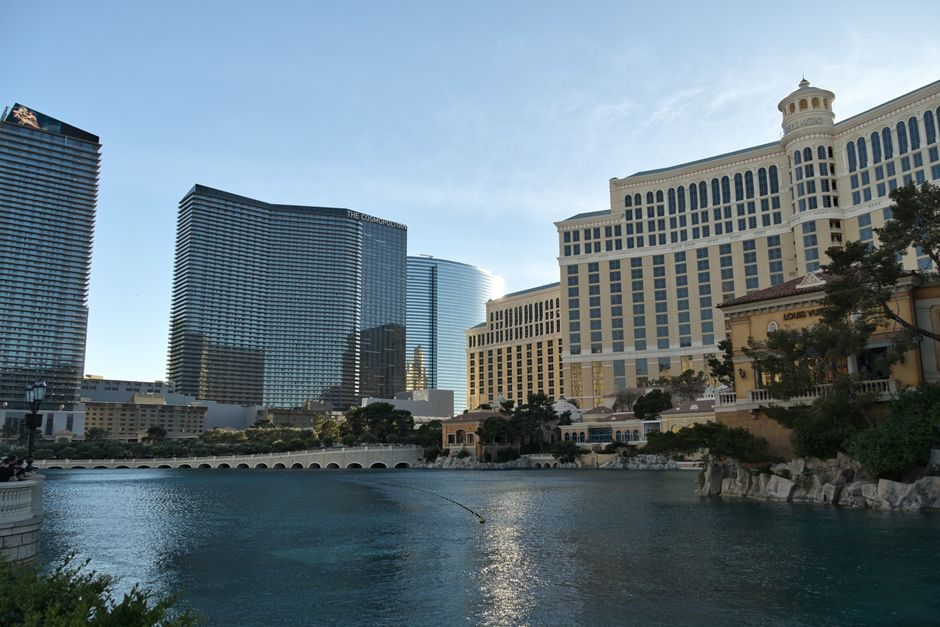
On the Las Vegas Strip, a casino may sit within a large resort that also offers lodging, dining and entertainment.
Casinos as Part of Las Vegas Resorts
One Property, Many Services
On the Las Vegas Strip, a casino may sit within a large resort that also offers lodging, dining and entertainment. Visitors can move between these services on one property, but each serves a different purpose and may have separate charges. This makes it useful to check what is included in a booking or ticket rather than assuming access covers every facility.
- Treating every resort charge as gaming; check which service the charge covers.
- Assuming a room booking includes every amenity; confirm the terms before relying on access.
- Mixing gambling money with trip funds; set separate limits for each purpose.
The same pattern appears across Las Vegas: gaming can be the most visible feature, while rooms, restaurants, events and other services shape a visitor’s overall experience. A resident attending a show may use the property differently from a visitor staying overnight. The business model accommodates both, with departments responsible for distinct services and customer needs.
For practical planning, separate your intended activities before arriving: identify lodging, meals, entertainment and any gambling as different parts of the visit. This makes it easier to compare choices and avoid treating an optional wager as a necessary resort expense. It also helps residents understand why casino-property business news can involve more than gaming alone.
Understanding the Visitor Experience
A resort’s layout can make gaming, dining and entertainment feel like parts of one continuous visit, but they remain different activities. A customer can enter a casino floor without booking a room, and a hotel guest can spend time at the property without gambling. Recognizing that difference helps visitors make choices based on their plans rather than the setting.
Las Vegas properties also serve people attending conventions, shows and other events, alongside guests seeking gaming or a hotel stay. Those visitors may use restaurants, meeting spaces or entertainment facilities without spending on wagers. For local readers, this broader view helps explain why resort business can affect nearby employment, visitor activity and the city’s commercial life.
Before spending, decide which services matter to you and what you can afford for each. Check the terms for any room, event or dining purchase, and keep gambling optional. This simple separation makes a casino resort easier to understand as a group of connected businesses rather than a single activity with one undifferentiated cost.
What Visitors Should Know About Spending
Set Limits Before Playing
Decide in advance how much money and time you are willing to spend, and treat that amount as entertainment spending rather than a way to earn income. A casino’s games are designed to generate revenue for the operator over time, so a short winning session does not change the underlying odds. Stop when you reach your limit, whether you are ahead or behind.
- Set a spending limit before entering a gaming area.
- Keep gambling funds separate from essential expenses.
- Stop at your limit instead of chasing a loss.
Separate gambling money from funds intended for meals, transport, lodging, or other planned expenses. For example, keep your gaming budget in a separate envelope or account so an unexpected loss does not lead you to use money reserved for getting around Las Vegas. If you are visiting with others, agree on limits individually rather than assuming everyone shares the same comfort level.
A casino floor can make it easy to lose track of time because gaming, dining, and entertainment are close together. Check the time periodically and take breaks away from the gaming area; a walk through a resort’s public spaces can help you reassess your plans. If gambling no longer feels recreational, stop and seek assistance rather than increasing your spending.
Understand What You Are Paying For
A casino resort can earn money from several activities, so a visitor’s spending may support more than gaming operations. A hotel stay, a meal, a show, or a paid attraction is a separate purchase with its own terms. Looking at each expense individually makes it easier to understand the resort as a group of businesses rather than a single gambling venue.
Before buying, check what is included and what is optional. A room reservation, event ticket, or dining offer may have conditions that affect when it can be used, while gaming credit may be subject to separate restrictions. Confirm details at the point of purchase instead of assuming that a benefit applies across every part of the property.
For a practical picture of your visit, review receipts and account activity as you go rather than waiting until departure. This helps distinguish gaming losses from hotel, food, and entertainment costs. It also makes a budget more useful: you can see which activities are consuming funds and adjust the rest of your plans accordingly.
How to Compare Casino Business Models

Compare the Whole Operation
Compare casino businesses by looking at how gaming fits with lodging, food, shows, and other services, not by focusing on a single visible feature. Some properties operate as broad resort businesses, while others place greater emphasis on gaming or particular visitor experiences. This distinction affects where revenue may come from and what kind of customers a property is built to serve.
When comparing revenue figures from different markets, check the reporting period, the activities included, and the currency used. Readers reviewing figures reported in dollars can use dolar kaç TL to understand the currency conversion behind comparisons with amounts in Turkish lira. A converted figure is only a starting point, since accounting definitions and exchange rates may differ.
A useful comparison also separates total revenue from profit. A property may bring in substantial sales from rooms, gaming, and dining while facing significant operating costs, including staffing and maintenance. Unless two figures measure the same thing over comparable periods, treating one as evidence that a casino is more successful can lead to a misleading conclusion.
Read Revenue Categories Carefully
Look for the categories included in a casino operator’s financial reporting before drawing conclusions about its business model. Gaming revenue may be reported separately from hotel, food, beverage, or entertainment activity, and company reports can group operations in different ways. The category labels and explanatory notes show what a reported figure actually represents.
Geography matters as well as business mix. A company may operate properties in several places, while a particular report describes one region, one property, or the entire organization. For a Las Vegas comparison, confirm that the figure relates to local operations rather than assuming a company-wide total describes the city’s casino sector.
Compare like with like: use the same time span, similar reporting categories, and a consistent measure such as revenue or operating income. If a report changes how it groups business lines, read its explanation before comparing figures across periods. These checks provide a clearer view of how a property earns money than relying on a headline number alone.
Common Misconceptions About Casino Revenue
Revenue Is Not Profit
Revenue shows money coming into a business; profit reflects what remains after costs are accounted for. A casino resort must pay for labor, utilities, upkeep, security, and the services that support gaming and hospitality. That means a large amount of customer spending alone does not reveal how much the operator ultimately keeps.
- Identify the figure’s label.
- Check which business activities it includes.
- Confirm the period and geographic scope.
- Separate revenue from profit.
Gaming revenue also should not be confused with every dollar wagered. The amount played can move between customers and the house during a session, while the operator’s reported gaming revenue reflects a different accounting measure. When reading a claim, check whether it describes wagers, gaming revenue, total resort revenue, or profit before comparing it with another figure.
This distinction matters in Las Vegas because a resort can have busy restaurants, full entertainment spaces, and active gaming areas at the same time. Those visible crowds suggest demand, but they do not disclose operating expenses or net earnings. Financial reports and clearly defined measures give a more reliable basis for understanding the business than appearances on the casino floor.
A Winning Session Proves Little
One visitor’s outcome does not show whether a casino is profitable overall. A player may win during a visit, but the operator manages games across many customers and sessions. Individual results can vary widely, so a personal story is not a dependable guide to a casino’s overall business performance.
The same caution applies when someone points to a quiet gaming area or a crowded table as proof of a property’s financial position. A brief observation covers only one place and moment, while business results include many operations and a defined reporting period. Gaming activity is just one part of a resort’s broader financial picture.
Avoid treating a single game’s payout, a promotional offer, or a busy weekend as a complete explanation of how a casino earns money. These details may illustrate one aspect of operations, but they leave out other revenue streams and costs. For a grounded view, compare published business categories and remember that customer experiences do not equal company results.
Practical Ways to Understand Casino Operations

Follow the Business Flow
Start by identifying the main activities a property offers, then consider how each one serves visitors and contributes to the operation. Gaming may sit alongside rooms, dining, entertainment, meetings, or shopping, depending on the resort. This simple inventory helps explain why a casino property can function as both a gaming business and a larger hospitality operation.
- ☐ List the property’s main services.
- ☐ Distinguish gaming from hospitality purchases.
- ☐ Check the scope of any business report.
- ☐ Identify whether a figure is revenue or profit.
Next, look for how those activities connect during a visit. Guests may stay in a hotel, eat on site, attend a show, and choose whether to gamble, but each service remains a distinct part of the business. Seeing these pieces separately helps explain how a resort can serve people with different reasons for being there.
For a more complete understanding, consult company reports or public business disclosures and note which activities they classify together. Check whether the information concerns a single property or a wider operator, and whether it measures revenue, expenses, or earnings. Clear definitions make it easier to connect what a visitor sees in Las Vegas with how the business is organized.
Ask Better Business Questions
When you encounter a claim about a casino, ask what exactly is being counted and over what period. A statement about gaming revenue does not automatically include hotel rooms or entertainment, and a company-wide result may not describe a Las Vegas property. These basic questions prevent unlike figures from being treated as direct comparisons.
Consider the audience and purpose of the information as well. A visitor-facing promotion describes an offer, while an investor report explains business performance using defined accounting categories. Neither source answers every question, so match the source to what you need to know and check the terms before drawing a conclusion.
The most practical next step is to compare a property’s stated business lines with the services you encounter during a visit. Notice which purchases are separate, review available disclosures for the company behind the property, and keep revenue distinct from profit. This approach gives residents and visitors a clearer, more grounded understanding of casino operations in Las Vegas.
Frequently asked questions
Is every casino part of a hotel resort?No. Some casinos operate as part of a larger resort with lodging, dining, and entertainment, while others may focus more narrowly on gaming. In Las Vegas, many familiar casino properties combine several services, but the exact mix varies. Check the property’s own descriptions and business reporting to see which activities it operates and how they are presented.
What is the difference between a casino’s revenue and its profit?Revenue is money received from business activities, such as gaming, hotel stays, dining, or entertainment. Profit reflects what remains after relevant costs are deducted. Because casinos and resorts have operating expenses, a high revenue figure does not by itself show the amount a business keeps. Always check which measure a report uses before comparing figures.
Does the amount wagered equal casino gaming revenue?No. The total wagered during play is not necessarily the same as the gaming revenue reported by an operator. Money may be wagered repeatedly during a session, while financial reporting uses defined accounting measures. When reviewing a number, look for its exact label and explanation rather than assuming that wagers, gaming revenue, and total resort revenue mean the same thing.
Can a visitor’s win show whether a casino is doing well?A visitor’s win reflects that person’s experience, not the financial performance of the casino as a whole. Individual results can vary, while an operator’s business includes many customers, games, services, costs, and a stated reporting period. To understand the business, use comparable financial information with clear definitions rather than drawing conclusions from one session or a single busy area.
A Clearer View of Las Vegas Casino Businesses
A Las Vegas casino is best understood as a business whose gaming operations may sit within a broader resort, alongside lodging, dining, entertainment, and other services. Visitors can make better sense of the industry by distinguishing these activities, setting clear spending limits, and remembering that revenue is not the same as profit. A visible crowd or an individual winning session cannot explain a company’s overall results.
For your next visit or when reading a business claim, start with one practical check: identify what the figure measures, which activities it includes, and what period or location it covers. Then compare it only with figures using similar definitions. That habit offers a grounded way to understand the casino properties that shape Las Vegas without confusing a guest experience with a business balance sheet.
Add Las Vegas News as a preferred source on Google


